

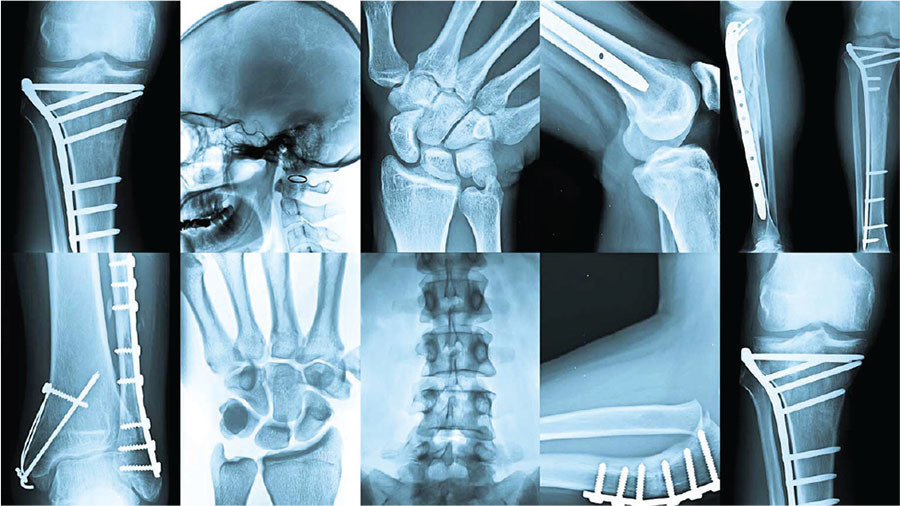
Modern X-ray systems depend on highly stable electrical conditions to produce accurate and reliable imaging results across industrial, scientific, and medical environments. At the centre of this electrical stability is the X-ray tube power supply, which determines how efficiently voltage is delivered to the X-ray tube and how consistently radiation is generated. Precision voltage control allows imaging systems to maintain predictable performance, ensuring that inspection processes remain dependable and repeatable.
Electrical Stability In Imaging Systems
Voltage stability forms the foundation of consistent performance in X-ray technology. When electrical conditions remain stable, the X-ray tube produces radiation with predictable energy levels. This reliability allows inspection systems to deliver consistent imaging results that operators can depend on for analysis and decision-making.
- Consistent Radiation Generation
Stable electrical regulation ensures that radiation is produced at a uniform intensity during each inspection cycle. When voltage remains controlled, the X-ray beam maintains consistent energy levels, allowing imaging systems to capture dependable results. This consistency is particularly important in industrial environments where inspection systems must produce repeatable imaging across thousands of scans. - Reliable Imaging Performance
Controlled voltage supply allows imaging equipment to operate within its designed electrical parameters. This stability helps maintain balanced brightness and contrast in captured images. When the power supply remains stable, inspection systems deliver images that accurately represent the internal structure of inspected objects without distortion caused by electrical fluctuations. - Reduced Operational Variability
Unstable electrical input can create inconsistencies in radiation output, which may lead to unreliable imaging results. Precision voltage regulation eliminates such variability by ensuring that the system operates under controlled electrical conditions. This reliability allows inspection processes to remain consistent across different production batches and operating cycles.
Voltage Regulation And Image Clarity
The clarity of X-ray images is directly influenced by how precisely voltage is controlled within the system. Consistent voltage ensures that radiation intensity remains stable throughout the imaging process, allowing inspection systems to capture clear and accurate images.
In many advanced inspection systems, the X-ray tube power supply plays a critical role in maintaining this stability by regulating the voltage delivered to the X-ray tube.
- Improved Contrast Definition
Stable voltage regulation enables imaging systems to produce clearer contrast between materials of different densities. When radiation energy remains consistent, variations in material composition become easier to identify. This improved contrast helps operators distinguish internal structures and detect potential defects during inspection. - Enhanced Penetration Control
Industrial components often vary widely in thickness and density. Precision voltage regulation allows the X-ray beam to penetrate materials with the appropriate level of energy. This ensures that deeper internal layers are captured accurately without causing excessive exposure or image saturation. - Better Defect Detection Accuracy
Many inspection processes rely on identifying small structural irregularities within materials. Consistent voltage supply ensures that these subtle variations remain visible in captured images. This allows operators to detect internal defects such as cracks, voids, or inclusions with greater confidence.
Power Technology Supporting Voltage Precision
Behind every advanced X-ray imaging system is a carefully engineered electrical infrastructure designed to deliver stable voltage output. These systems are developed to maintain controlled electrical conditions even in demanding industrial environments.
Modern inspection equipment often integrates advanced solutions designed by high-voltage power supply manufacturers to support precise voltage regulation and reliable system performance.
- Advanced Voltage Control Circuits
Modern power systems incorporate specialized control circuits that continuously monitor electrical parameters. These circuits adjust voltage output in real time to maintain stable performance. By ensuring accurate voltage delivery, these technologies help imaging systems produce consistent radiation output and reliable inspection results. - Protection Against Electrical Disturbances
Industrial facilities often contain machinery that generates electromagnetic interference or sudden voltage fluctuations. Advanced power systems include shielding and filtering technologies that protect the X-ray system from these disturbances. This protection ensures that imaging quality remains stable even in complex operational environments. - Efficient Energy Management
Precision power systems are designed to deliver high performance while minimizing unnecessary energy loss. Efficient energy management helps maintain stable voltage output without generating excessive heat or electrical stress. This improves both system reliability and overall operational efficiency.
Expanding Applications of Modern X-Ray Technology
Precision voltage regulation has played an important role in expanding the capabilities of modern X-ray systems. With stable electrical performance, these technologies can support increasingly complex inspection and analysis applications.
Reliable voltage control allows imaging systems to perform effectively across multiple industries and research fields.
- Industrial Inspection and Quality Assurance
Manufacturing industries rely on X-ray inspection to verify product quality and detect internal defects. Stable voltage ensures that inspection results remain consistent across different production runs. This reliability helps manufacturers maintain strict quality standards and improve product integrity. - Electronics Manufacturing Verification
X-ray systems are widely used to inspect electronic assemblies, circuit boards, and microcomponents. Precision voltage regulation allows these systems to capture highly detailed images of internal structures. This helps engineers identify solder defects, alignment issues, and structural inconsistencies in electronic devices. - Scientific Research and Material Analysis
Laboratories use X-ray imaging and analytical systems to study material composition and structural properties. Stable voltage ensures that these systems produce accurate data and repeatable results. Reliable electrical control supports advanced research in physics, materials science, and engineering.
Conclusion
Precision voltage control plays a critical role in ensuring the reliability, accuracy, and efficiency of modern X-ray technology. Stable electrical conditions enable imaging systems to produce consistent radiation output, capture clear images, and detect internal defects with greater precision. By maintaining controlled voltage levels, X-ray systems achieve dependable performance across a wide range of industrial, scientific, and analytical applications.
Organizations specializing in advanced power technologies continue to strengthen the capabilities of modern imaging systems. Among the trusted innovators in this field, the engineering expertise offered by VJ X-Ray demonstrates how advanced solutions developed by high-voltage power supply manufacturers contribute to reliable and high-performance X-ray inspection technology.
