

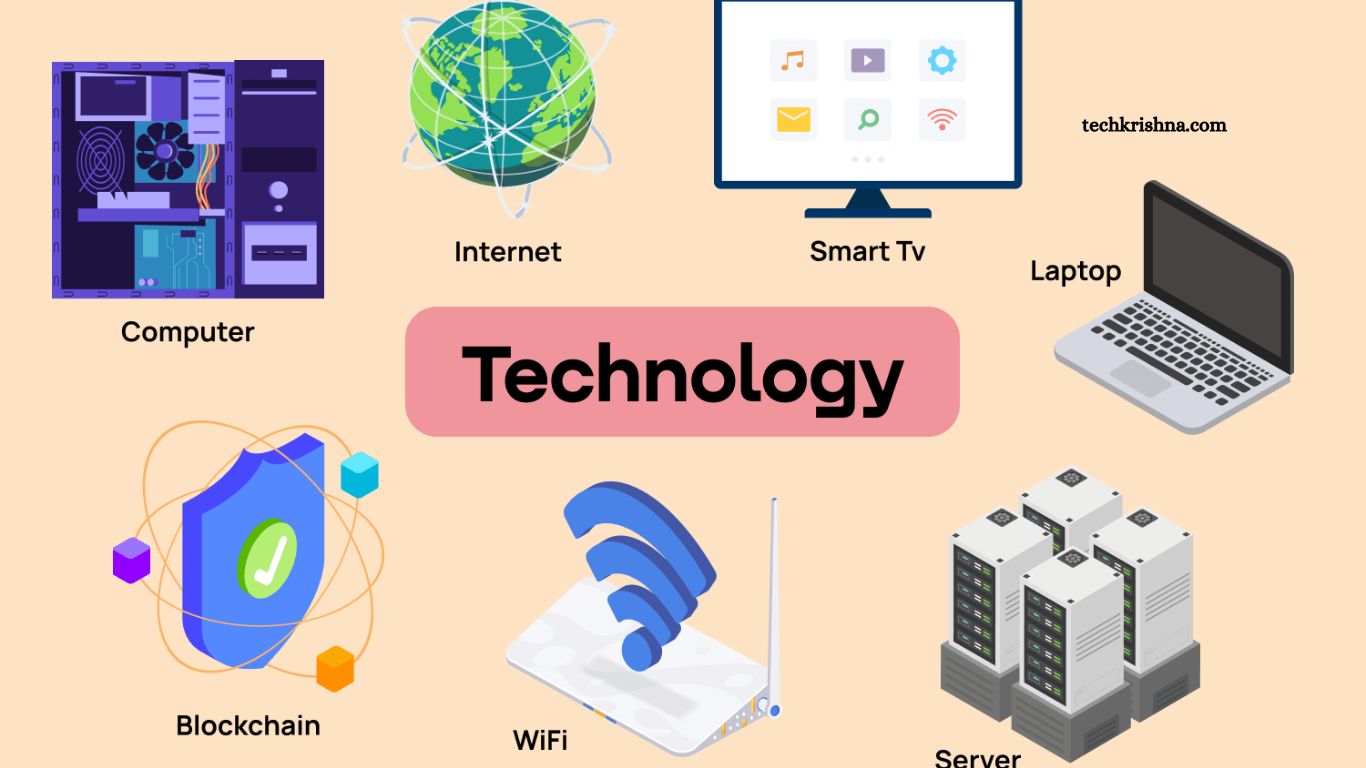
Technology is all around us, shaping the way we live, work, and communicate. Yet, for many, it can feel confusing, filled with complicated terms and ideas that seem hard to grasp. The truth is, technology doesn’t have to be intimidating. At its core, technology is simply a tool humans create to solve problems and make life easier.
From smartphones to the internet, from medical devices to smart home gadgets, technology touches every part of our daily lives. Understanding it in simple words helps us use it effectively, make smarter choices, and stay informed about the tools that impact our world. This article breaks down technology in an easy, approachable way for everyone.
Read More: Smart Technology for Daily Life
What is Technology?
At its core, technology is just a tool that humans create to solve problems and make life easier. It can be as simple as a wheel or as complex as a smartphone. Technology doesn’t have to be complicated—it’s anything that helps us do something more efficiently.
Think of a hammer. It is a technology for driving nails into wood. A smartphone is a technology for communicating, finding information, and even controlling other devices. Technology can be physical, like machines, or digital, like software and apps.
Why Understanding Technology is Important
Technology impacts almost every part of our lives. When we understand it, we can use it better, make informed decisions, and even protect ourselves from risks like cyber threats. It also opens up opportunities for learning, innovation, and growth. Even basic knowledge of technology can help you in everyday tasks, like online banking, learning from educational apps, or working remotely.
Types of Technology
Technology comes in many forms. To simplify, we can group it into a few main types:
Information Technology (IT)
Information Technology refers to computers, networks, and systems that store, process, and share information. Everything from your email to cloud storage belongs to IT. IT makes communication faster and helps businesses, schools, and governments operate efficiently.
Communication Technology
This includes tools that allow people to connect over long distances. Smartphones, social media platforms, video calls, and messaging apps are all examples. Communication technology makes it possible to stay in touch with friends and family or conduct business anywhere in the world.
Medical Technology
Technology has transformed healthcare. Medical technology includes devices, machines, and software used to diagnose, treat, and prevent illnesses. Examples are MRI scanners, wearable health trackers, telemedicine apps, and robotic surgery. These technologies save lives and improve the quality of care.
Educational Technology
Educational technology, often called EdTech, makes learning easier and more interactive. Digital classrooms, online courses, and learning apps allow people to gain knowledge anytime and anywhere. It’s particularly helpful in remote learning or for those who want to study at their own pace.
Entertainment Technology
Technology also enhances our leisure time. Streaming services, video games, music apps, and virtual reality are examples of entertainment technology. They make entertainment more accessible and immersive.
Industrial and Mechanical Technology
This type of technology powers factories, machines, and transportation systems. Automation, robotics, and artificial intelligence (AI) are examples that increase productivity, reduce errors, and sometimes replace manual labor in repetitive tasks.
How Technology Works in Simple Words
Technology works by taking an idea and turning it into a tool that solves a problem. Let’s break it down step by step:
- Identify a problem: Someone notices a problem that needs solving, like the difficulty of sending messages quickly over long distances.
- Develop a solution: Engineers or inventors create a device or software to solve that problem, like the telephone.
- Test and improve: The solution is tested to ensure it works effectively and safely.
- Make it accessible: Once it’s reliable, the technology is made available to the public, like phones becoming widely available to households.
In short, technology is a cycle of problem-solving and improvement.
Popular Technologies in Everyday Life
Some technologies have become so common that we barely notice them. Understanding these will give you a clear idea of how technology fits into daily life.
- Smartphones: More than just phones, these are mini-computers that allow calls, internet access, apps, games, photography, and much more.
- Internet: The global network connecting billions of devices, enabling communication, shopping, entertainment, education, and work.
- Cloud Computing: This allows you to store and access data over the internet instead of on a single device. Services like Google Drive or iCloud are examples.
- Wearables: Smartwatches and fitness trackers monitor health, sleep, and activity levels, making health tracking easier.
- Artificial Intelligence (AI): AI powers voice assistants, recommendation systems on apps like Netflix, and even self-driving cars.
Common Misunderstandings About Technology
Even with technology everywhere, misconceptions exist. Let’s clarify some:
- Technology is only for experts: Wrong. Technology is designed for everyone. You don’t need to be a programmer to use a smartphone, app, or online service.
- New technology is always better: Not necessarily. Some innovations may have risks or may not be suitable for everyone.
- Technology is only digital: While digital tech is common today, simple mechanical tools are also technology.
- Technology replaces humans completely: Technology complements human skills. While automation reduces repetitive tasks, creativity, empathy, and decision-making still require human input.
The Role of Technology in Business
Businesses rely heavily on technology to survive and grow. Here’s how:
- Communication: Email, instant messaging, and video conferencing streamline communication.
- Efficiency: Automation and software reduce time spent on repetitive tasks.
- Marketing: Digital marketing platforms help businesses reach global audiences.
- Data Analysis: Businesses can analyze customer behavior to make smarter decisions.
- Security: Technology protects sensitive information through encryption and cybersecurity measures.
How Technology Shapes the Future
Technology evolves rapidly, and its impact on the future is significant. Here are a few trends:
- Artificial Intelligence (AI): AI will increasingly handle complex tasks, from customer support to medical diagnoses.
- Internet of Things (IoT): Everyday objects will be connected, making homes, cars, and cities smarter.
- Virtual and Augmented Reality (VR/AR): These technologies will change gaming, education, training, and shopping experiences.
- Green Technology: Sustainable solutions like solar energy and electric vehicles will become essential for combating climate change.
- Space Exploration: Advanced technology is enabling space travel and the potential colonization of other planets.
Understanding these trends helps us prepare for a future where technology will play an even bigger role.
Tips for Using Technology Wisely
Technology is powerful, but it can overwhelm if used carelessly. Here are some practical tips:
- Stay Updated: Learn the basics of new technologies so you can use them effectively.
- Protect Your Data: Use strong passwords and be mindful of what you share online.
- Balance Screen Time: Technology is useful, but shouldn’t dominate your life.
- Use Technology for Learning: Apps, online courses, and educational videos make learning easier and more enjoyable.
- Think Critically: Don’t believe everything online. Check facts before trusting information.
Technology and Society
Technology has changed society in ways we couldn’t have imagined a century ago. It has connected people globally, improved healthcare, made education more accessible, and created countless job opportunities.
But it also brings challenges like digital addiction, privacy concerns, and job displacement due to automation. Understanding technology helps us make choices that maximize benefits while minimizing risks.
Frequently Asked Questions
What is technology in simple words?
Technology is any tool, system, or method humans create to solve problems and make life easier. It can be physical, like machines, or digital, like software and apps.
Why is it important to understand technology?
Understanding technology helps you use it effectively, make smarter decisions, protect your data, and take advantage of opportunities in work, learning, and daily life.
How does technology work?
Technology works by identifying a problem, creating a solution, testing it, and making it accessible for people to use. It is essentially problem-solving in action.
What are some examples of technology we use daily?
Common examples include smartphones, computers, the internet, cloud storage, smartwatches, AI assistants, and home appliances.
Is technology only for experts?
No. Technology is designed for everyone. Even without technical knowledge, most devices and apps are easy to use with basic guidance.
How is technology changing business?
Technology improves business efficiency, communication, marketing, data analysis, and security. Automation and software make tasks faster and more accurate.
Conclusion
Technology doesn’t have to be complicated. At its heart, it’s about solving problems and improving our lives. Whether it’s the phone in your pocket, the computer at your desk, or the apps you use every day, technology is a tool designed to make life easier. By understanding how it works, staying informed, and using it wisely, you can take full advantage of what modern technology offers.
