

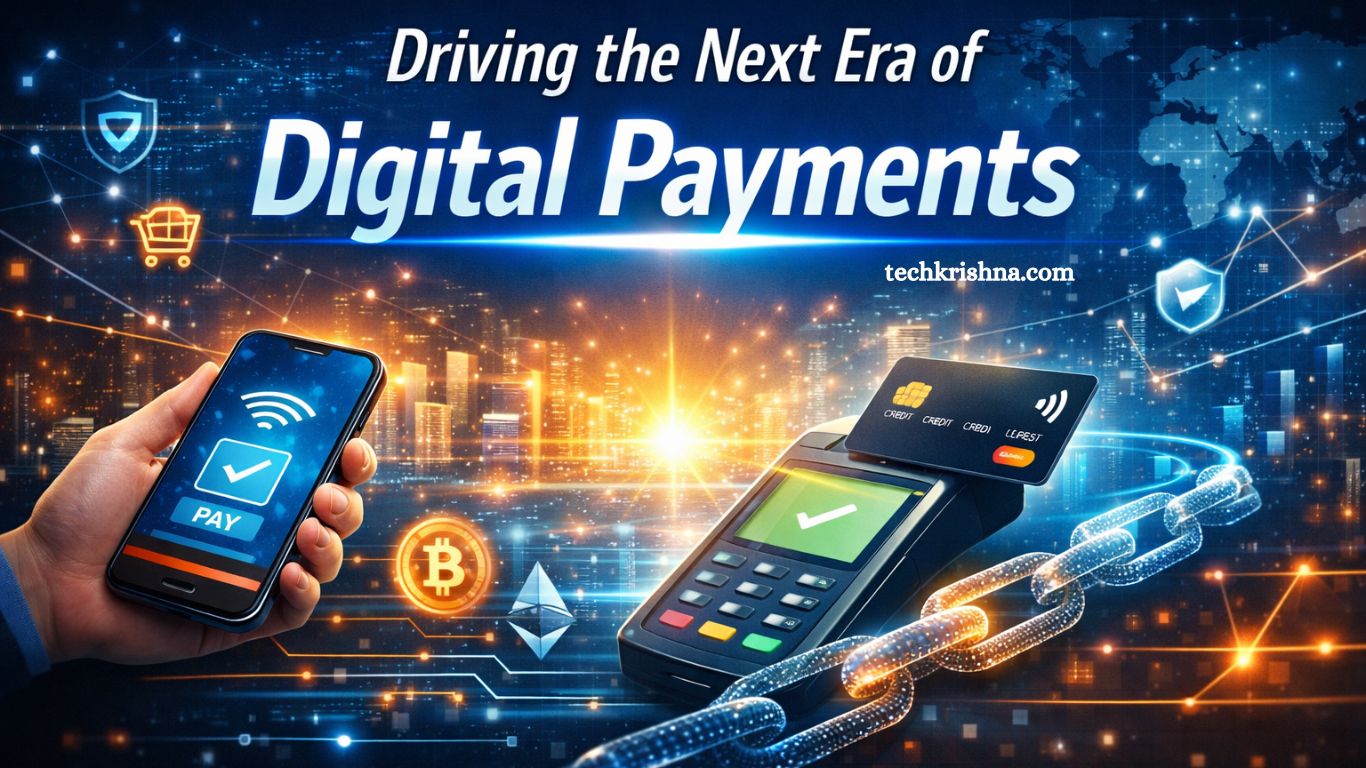
The digital payments landscape is evolving faster than ever, reshaping how businesses and consumers transact globally. Driving the next era of digital payments means embracing seamless, secure, and innovative solutions that simplify financial interactions while enhancing trust. From mobile wallets and contactless cards to blockchain-powered platforms, modern payment technologies offer speed, convenience, and transparency like never before.
Businesses that adopt these advancements gain a competitive edge, improving customer experience and operational efficiency. As digital transactions continue to grow, staying ahead requires forward-thinking strategies and cutting-edge technology. By reimagining payments for the digital age, we unlock new opportunities for growth, inclusivity, and financial empowerment worldwide.
The Evolution of Digital Payments
Digital payments have come a long way from the days of simple online bank transfers. Early innovations like PayPal and credit card gateways paved the way for more advanced solutions, including mobile wallets, contactless payments, and peer-to-peer (P2P) transfer platforms. Today, consumers expect instant transactions, real-time tracking, and frictionless experiences across multiple devices.
The pandemic accelerated digital adoption, pushing both consumers and businesses toward cashless solutions. According to industry reports, global digital payments grew by over 20% in the past few years, underscoring the urgent need for scalable, secure, and innovative systems.
Read more: Complete Tech Guides & Solutions
Key Drivers of the New Era
Several factors are driving the next wave of digital payment innovation:
- Consumer Demand for Convenience: People increasingly prefer seamless, one-click payment options that integrate into their daily routines. Mobile apps, QR codes, and digital wallets make transactions faster and simpler than ever.
- Technological Advancements: Artificial intelligence (AI), machine learning, and blockchain technology are enabling smarter, more secure transactions. AI helps detect fraud in real-time, while blockchain ensures transparency and traceability.
- Globalization of Commerce: Businesses are expanding across borders, requiring multi-currency solutions and localized payment options. Cross-border digital payments reduce costs and improve efficiency for global transactions.
- Regulatory Support: Governments are encouraging digital financial inclusion by implementing policies that promote secure, cashless payments, driving wider adoption across both developed and emerging markets.
Innovations Shaping the Future
Mobile Wallets and Contactless Payments
Mobile wallets, such as Apple Pay, Google Wallet, and Paytm, have revolutionized consumer behavior. Contactless payments reduce friction at checkout, offering speed and convenience while minimizing physical contact—a feature that became especially valuable during the pandemic.
Blockchain and Cryptocurrencies
Blockchain technology is redefining trust in financial transactions. Cryptocurrencies like Bitcoin and Ethereum provide decentralized alternatives to traditional payment systems. Additionally, blockchain-based payment platforms enable instant cross-border settlements with minimal fees.
AI and Fraud Detection
Artificial intelligence is critical for enhancing payment security. AI-driven systems can monitor transactions in real time, flag suspicious activity, and prevent fraud before it affects consumers or businesses. This not only protects users but also builds trust in digital platforms.
Buy Now, Pay Later (BNPL)
BNPL solutions are gaining popularity, offering consumers flexible payment options without high-interest rates. Businesses adopting BNPL see increased conversion rates and higher customer satisfaction, making it a key trend in digital commerce.
Benefits of the Next-Generation Digital Payments
- Speed and Efficiency: Transactions that once took days now happen instantly, reducing friction for both businesses and consumers.
- Enhanced Security: Advanced encryption, tokenization, and AI-powered monitoring reduce the risk of fraud and data breaches.
- Global Accessibility: Digital payments allow anyone with an internet connection to participate in the global economy, promoting financial inclusion.
- Improved Customer Experience: Seamless, user-friendly payment options enhance satisfaction, loyalty, and repeat business.
- Cost Savings: Automated processes reduce operational costs for businesses, from handling cash to reconciling transactions manually.
Challenges to Overcome
While the digital payment revolution is promising, it comes with challenges:
- Cybersecurity Risks: As digital transactions increase, so do threats from hackers and fraudsters. Continuous innovation in security is essential.
- Digital Divide: Not everyone has access to smartphones or a stable internet connection, creating gaps in financial inclusion.
- Regulatory Complexity: Cross-border transactions must comply with multiple regional regulations, requiring robust compliance solutions.
- Consumer Trust: New technologies, especially cryptocurrencies, can face skepticism. Educating users is crucial for adoption.
The Role of Businesses and Financial Institutions
Businesses and financial institutions play a pivotal role in driving the next era of digital payments. By investing in modern payment infrastructure, companies can enhance operational efficiency, expand globally, and deliver exceptional customer experiences. Banks and fintech firms must collaborate to create interoperable systems, ensuring consumers have access to reliable, secure options.
Adopting cutting-edge technologies such as AI-powered fraud detection, blockchain settlements, and mobile-first payment solutions positions companies as leaders in the digital economy. Furthermore, offering diverse payment options, including BNPL, digital wallets, and cryptocurrency acceptance, caters to a broader audience, fostering loyalty and growth.
The Future Outlook
The future of digital payments is exciting and full of potential. Emerging trends such as decentralized finance (DeFi), central bank digital currencies (CBDCs), and integrated super-app platforms are poised to further redefine the financial ecosystem. Payments will become more than just transactions; they will evolve into experiences embedded into everyday life, from smart devices to connected cars.
Financial inclusion will also see significant progress, with billions gaining access to digital financial services for the first time. This shift will empower underserved populations, stimulate economic growth, and bridge gaps in global commerce.
Frequently Asked Questions
What are digital payments?
Digital payments are electronic transactions made through cards, mobile wallets, bank transfers, or online payment platforms without using cash.
What is driving the growth of digital payments worldwide?
Rising smartphone use, faster internet access, eCommerce expansion, and demand for quick, secure transactions are accelerating the adoption of digital payments.
How secure are digital payment systems?
Modern digital payments use encryption, tokenization, and AI-based fraud detection to improve security and reduce risks.
What role does AI play in digital payments?
AI helps detect fraud, automate transaction monitoring, personalize payment experiences, and improve the speed and accuracy of payment processing.
How does blockchain improve digital payments?
Blockchain enhances transparency, reduces transaction costs, and enables faster cross-border payments with secure, traceable records.
What is the future of digital payments?
The future includes contactless payments, real-time transfers, biometric authentication, CBDCs, and more integrated digital finance solutions.
How can businesses benefit from adopting digital payments?
Businesses gain faster checkout, improved customer experience, reduced operational costs, better cash flow, and access to global customers.
Conclusion
Digital payments are shaping a smarter, faster, and more connected financial future. As technology advances, solutions like mobile wallets, AI-powered security, blockchain, and real-time transactions will continue to redefine how people and businesses pay worldwide. Companies that embrace these innovations can deliver better customer experiences, strengthen trust, and stay competitive in a rapidly evolving market.
